How Long Do ATV Batteries Last? 5 Crucial Factors & Lifespan Guide
Sep 07 2026
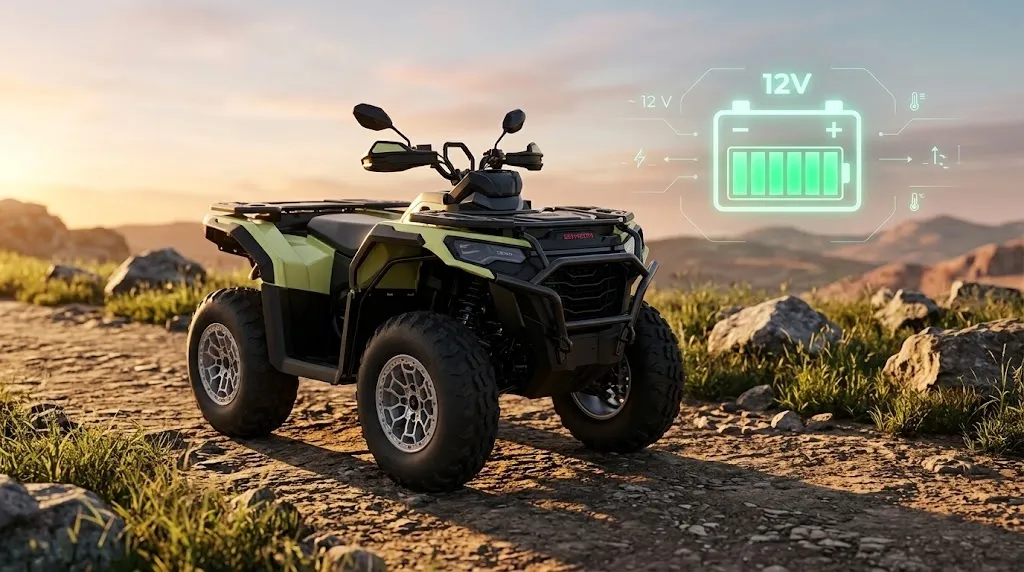
How long do ATV batteries last? Under normal use? About 2 to 5 years. That's the range. But the gap between 2 and 5 is huge. Why? A conventional flooded lead-acid battery? Usually taps out around year two. AGM? It'll stretch further—three, maybe four, sometimes five. A LiFePO4 lithium battery, the right one, cared for properly? That thing can keep going long after the others have given up.
It's not about the manufacturing date. It never really is. It's about how you store it. How you charge it. Where you ride. What you plug into it. Vibration. Temperature. Parasitic draw from the electronics. All of it adds up. So let's walk through it. Piece by piece.
1. How Long Do ATV Batteries Last On Average?
The chemistry inside the case matters. So does the construction. They don't all handle off-road life the same way.
Not all batteries are created equal. Some need weekly check-ins. Others you can bolt in and forget about for months. That depends on your riding style, the climate you're in, and how much time you want to spend poking around under the seat.
The lifespan numbers in that table? Industry averages. That's all. Not guarantees. Brand matters. Conditions matter. How you treat it matters. One more thing: ATVs and UTVs share similar battery tech, but don't assume compatibility. Always check physical dimensions. CCA rating. Terminal layout. Match it to your machine. Guessing costs you money.
Battery Type | Typical Lifespan | Maintenance Needs | Best For & Key Traits |
Conventional Flooded Lead-Acid | 2 – 3 years | Higher | Budget pick. Light-duty riding only. Vibration resistance? Mediocre at best. If it's serviceable, check electrolyte levels regularly. Top off with distilled water. |
AGM (Absorbent Glass Mat) | 3 – 5 years | Low (sealed, maintenance-free) | The off-road workhorse. Sealed case means less leak risk. Handles the shaking, the tilting, the rough stuff—way better than flooded. |
LiFePO4 Lithium Battery | 5+ years | Very Low (built-in BMS) | Lightweight. Efficient. Charges fast. But cold weather? That's a different story. Below freezing, you need to follow the manufacturer's charging limits. Otherwise you can damage the cells. |
2. How to Tell If Your ATV Battery Is Dying?
Hit the starter. Engine groans. Or worse—just a click. Click. Click.
That's the battery telling you something's wrong. And if you catch it early, you won't be the guy pushing his ATV out of the woods.
Here's what to watch for:
Slow Crank: The starter turns. Slowly. The engine sounds tired. Takes way longer than normal to fire up.
Dim Lights, Flickering Dash: Engine off. Turn on the headlights. Look at the display. Yellowish light? Flickering screen? That's a warning.
Clicking Sound Only: You press start. Nothing turns. Just a rapid series of clicks. The battery has enough voltage for the solenoid, not enough to spin the starter.
CCA Drop: Here's something a lot of riders miss. Resting voltage tells you state of charge. That's it. It doesn't tell you if the battery can actually start the engine. For that, you need a load test or a conductance test. That gives you the real Cold Cranking Amps (CCA) reading.
Resting Voltage Below 12.4V: Fully charge it. Let it sit for a few hours—kill the surface charge. Measure again. A healthy 12V lead-acid battery reads 12.6V to 12.8V. Anything consistently under 12.4V? That's a problem.
Swollen Case or Corroded Terminals: Bulging sides. White powder around the posts. That's physical damage. Don't ignore it.
When Do You Replace It?
If it keeps dying after a full charge. If the load test says CCA is shot. If it's swollen or leaking. That's replacement territory.
Sometimes, though, it's just low from sitting. A recharge brings it back. And a single low voltage reading? That's not a death sentence. Even a maintenance-free battery can show low voltage from a surface charge issue or a heavy load right before you tested it. Charge it properly. Test it again. Then decide.
3. What Causes an ATV Battery to Die Early?
Sitting idle. Extreme heat. Extreme cold. Bad charging habits. A failing stator or regulator. All of these can kill a battery well before its time.
A lot of people think: "I'm not riding, so the battery's fine."
Not really.
Modern ATVs have digital displays. Security systems. Clock memory. They draw power even when the key is off. It's small—but over weeks or months, it adds up. That parasitic draw, plus the battery's own self-discharge over time? That's how sulfation starts. And once that happens, the capacity loss is permanent.
Temperature Extremes: Temperature plays a huge role. Cold weather slows everything down inside the battery. Less output. Engine needs more juice to crank. Heat is just as bad, maybe worse—it speeds up plate corrosion and boils off electrolyte. Lithium batteries perform great at normal temps. But cold charging? That's risky. Unless the manufacturer says it's safe, don't charge them below freezing. You can permanently damage the cells.
Long Idle Time: Park it for months without a maintainer? The voltage drops. Stays low. Sulfation sets in.
Vibration Damage: Rocks. Roots. Ruts. The battery gets bounced around. Internal plates crack or short. Especially in cheaper flooded batteries.
Overloading Accessories: Winch. Light bar. Heated grips. Running them with the engine off pulls everything from the battery. Drains it fast. Deep discharge cycles shorten lifespan.
Charging System Failure: This one's tricky. Now here's another scenario: you replace the battery, and the new one dies after every ride. That's not the battery. That's the charging system. Stator. Regulator/rectifier. Wiring. Test those before you buy another battery.
Wrong Replacement Specs: And the aftermarket? Lots of cheap options out there. Lower CCA than what the OEM calls for. That battery won't deliver the burst of current the starter needs. It'll struggle from day one. Save yourself the hassle and match the spec.
4. How Can You Make Your ATV Battery Last Longer?
A smart maintainer. That's the single biggest factor when the bike's parked for weeks or months.
It costs a little. Saves a lot. And there are other habits worth building too.
Use a Compatible Smart Maintainer: A smart maintainer does the work for you. Monitors voltage. Switches to float when full. Stops overcharging automatically. But you have to match the maintainer to the battery type—lead-acid, AGM, lithium—they're not interchangeable. And if you're not certain about the hookup process, the correct ATV battery charging procedure matters more than you'd think. Wrong voltage settings. Skipping the surface charge bleed. Both will give you a false reading. You'll think the battery is full when it isn't.
Terminal Maintenance: Clean them. Wire brush works. Corrosion is conductive—it creates resistance. A little dielectric grease on the posts helps seal out moisture and dirt.
Storage Location: Winter storage? Pull the battery out. Put it somewhere cool, dry, ventilated. Not freezing. Not baking in the sun.
Off-Time Electrical Use: Winch or light bar running with the engine off? That's all battery. Running with the engine on? The stator helps carry the load. Big difference.
5. How ATV Design Can Affect Battery Life
The ATV itself matters. Not just the battery. The electrical architecture. The charging circuit. The mounting location. All of it influences lifespan.
Modern machines are better at this. Smarter power management. Tighter mounting. Better vibration isolation. That translates to happier batteries.
Electronic Fuel Injection (EFI): Precise fuel control. Better starts. Less cranking. Less strain on the battery.
EPS and Power Management: ATVs with Electronic Power Steering and advanced dashes tend to have cleaner electrical systems. Better regulation. Less parasitic drain.
Secure Battery Mounting: A solid box. A sturdy hold-down. That's not optional for off-road use. It keeps the battery from shaking apart. Less stress on the internal plates, less stress on the terminals. It makes a real difference on rough trails.
Wrapping It Up
Here's what it comes down to: knowing how long do ATV batteries last is less about memorizing years and more about paying attention. Watch for the signs. Understand the threats. Learn what actually extends life.
You don't get five years by installing it and walking away. But choose the right type. Use a maintainer during downtime. Ride with some awareness of your electrical load. Store it somewhere decent. That's the formula. And it means a lot fewer "won't start" mornings out on the trail.
-
Sep 09 2026
learn more
 ATV Payload Capacity Guide: What You Need to Know
ATV Payload Capacity Guide: What You Need to Know
ATV Payload Capacity Guide: What You Need to Know
-
Sep 07 2026
learn more
 How Long Do ATV Batteries Last? 5 Crucial Factors & Lifespan Guide
How Long Do ATV Batteries Last? 5 Crucial Factors & Lifespan Guide
How Long Do ATV Batteries Last? 5 Crucial Factors & Lifespan Guide
-
Sep 07 2026
learn more
 UTV Towing Capacity: Chart, Limits, and 5 Tips for Heavy Loads
UTV Towing Capacity: Chart, Limits, and 5 Tips for Heavy Loads
UTV Towing Capacity: Chart, Limits, and 5 Tips for Heavy Loads
-
Sep 04 2026
learn more
 Do ATVs Have Titles for New Vehicles in the US?
Do ATVs Have Titles for New Vehicles in the US?
Do ATVs Have Titles for New Vehicles in the US?